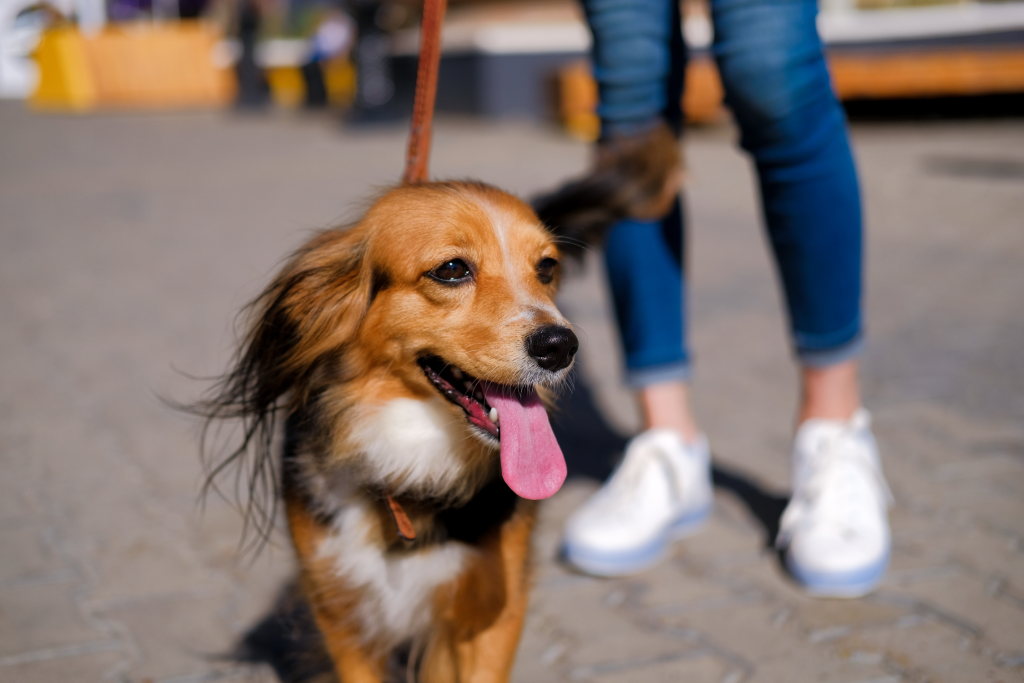
Natural flea and tick prevention for dogs uses plant-based ingredients like cedarwood and lemongrass to help repel and disrupt pests. These options can support a prevention routine, but in Western North Carolina’s tick-heavy environment, including Hendersonville trails and wooded areas, daily tick checks and veterinarian-recommended protection remain essential for disease prevention.
The wooded trails around Hendersonville, from local greenways to deeper Western North Carolina mountain paths, create the perfect environment for fleas and ticks to thrive. Warm weather and humidity keep these pests active for much of the year, with peak activity during summer hikes and outdoor walks.
Many pet owners look for natural flea and tick prevention for dogs because they want gentler options for sensitive pets, homes with children, or reduced exposure to synthetic chemicals. Natural products can play a helpful role, but they work best as part of a complete routine rather than a stand-alone solution.
This guide explains how natural tick prevention for dogs works, which ticks are common in Henderson County, how to use these products safely, and when stronger veterinary protection may be needed.
Key Takeaways
- Hendersonville and the WNC mountains are high-risk areas for ticks.
- Natural flea and tick prevention for dogs uses plant oils like cedarwood and lemongrass to help repel pests.
- Daily tick checks are essential because no prevention method is fully foolproof.
- Some ticks can transmit disease within 24 to 48 hours of attachment.
- Veterinary guidance is recommended for dogs with high trail exposure or prior tick-borne illness.
Which Ticks Live Around Hendersonville and Why They Matter
Western North Carolina is home to several tick species that are active throughout the warmer months and into fall.
Blacklegged tick (deer tick)
This tick is found more often in wooded and higher-elevation areas. It can carry Lyme disease, which is a concern across parts of the Appalachian region.
American dog tick
Common in North Carolina, this species can transmit Rocky Mountain spotted fever, a serious illness reported more frequently in the state than in many other regions.
Lone star tick
One of the most common ticks in the area, the lone star tick is associated with ehrlichiosis and has also been linked to alpha-gal syndrome, a condition that can trigger a red meat allergy.
Why timing matters
Public health research shows that many tick-borne diseases require 24 to 48 hours of attachment before transmission becomes likely. This makes fast removal and daily checks one of the most important parts of protection.
How Natural Flea and Tick Prevention for Dogs Works
Natural flea and tick prevention for dogs typically uses plant-based essential oils such as cedarwood, lemongrass, peppermint, and clove.
These ingredients work in two main ways:
- They create scents and surface conditions that repel insects.
- They can disrupt how pests locate and attach to a host.
Products like essential oil flea spray for dogs are commonly used before hikes or outdoor activity, especially in wooded areas around Hendersonville.
It is important to understand how these products are regulated. Many natural pest control sprays are classified as EPA minimum-risk exempt products. This means they are not tested or registered in the same way as conventional pesticide medications. Some efficacy data comes from company testing and third-party lab studies rather than large-scale pharmaceutical trials.
The bottom line is simple. Natural options can help reduce exposure and repel many pests, but they are not considered equivalent to prescription preventives for disease prevention in high-risk areas.
What Pet Source Carries for Natural Protection
Pet Source carries a selection of natural flea and tick prevention options, including trusted brands like Wondercide, known for cedarwood and lemongrass-based formulas.
These products are often chosen by pet owners who want:
- Plant-based pest control options
- Spray-on or topical convenience
- Alternatives for dogs with sensitivities
The team at Pet Source can help match products to a dog’s lifestyle, especially for pets that spend time on local hiking trails or wooded properties.
For full product availability, customers can explore the natural flea and tick brands we have or visit the store for recommendations.
A Simple Summer Routine for Tick Protection
A consistent routine is one of the most effective ways to reduce tick exposure.
Treat shared environments
Keep yards and resting areas clean and maintained. Ticks thrive in tall grass, leaf litter, and shaded brush.
Stick to safe walking paths
On hikes around Hendersonville trails, stay in the center of paths and avoid brushing against tall grass or dense vegetation.
Apply protection before outings
Use natural repellent sprays before walks or hikes, following label instructions for reapplication.
Check for ticks daily
After outdoor time, especially in wooded areas, check dogs thoroughly for ticks.
Rinse after hikes
A quick rinse can help remove loose debris and may help spot ticks earlier. Pet Source’s self-serve dog wash is a convenient option after trail time.
Wash bedding regularly
Hot water washing helps reduce the chance of re-exposure from the home environment.
How to Check Your Dog for Ticks
A full-body tick check only takes a few minutes but can prevent serious illness.
Focus on these areas:
- Around and inside the ears
- Under the collar
- Neck and chest
- Armpits
- Between the toes
- Groin and tail base
Ticks often attach in warm, hidden areas where dogs cannot easily scratch.
Safe tick removal steps
- Use fine-tipped tweezers or a tick removal tool
- Grasp the tick as close to the skin as possible
- Pull upward with steady, even pressure
- Clean the area with mild soap and water
- Monitor the site for redness or irritation
Avoid twisting or squeezing the tick’s body, which can increase the risk of pathogen transmission.
The CDC emphasizes prompt removal as one of the most effective ways to reduce tick-borne disease risk.
When Natural Prevention May Not Be Enough
Natural flea and tick prevention for dogs can be a helpful part of a routine, but it may not be sufficient for every situation.
Veterinary-recommended prevention may be more appropriate for:
- Dogs that hike frequently in wooded or grassy areas
- Pets with a history of tick-borne illness
- Homes located in high-density tick environments
- Dogs with heavy outdoor exposure year-round
It is also important to use caution with essential oils. Some formulations are not safe for cats, and products should never be shared between species unless labeled as safe for both. When unsure, a veterinarian should guide product selection.
Frequently Asked Questions
Natural sprays can help repel pests, but effectiveness varies. They are best used as part of a full prevention routine that includes tick checks and environmental control.
Some are safe for dogs when used correctly, but certain essential oils can be toxic to cats. Always use species-specific products and follow label directions carefully.
Tick activity in North Carolina can begin in early spring and continue through fall, with peak risk during warm and humid summer months.
Reapplication depends on the product label, outdoor exposure, and weather conditions. Heavy hiking or rain may require more frequent use.
Remove it promptly using tweezers, clean the area, and monitor for symptoms. Contact a veterinarian if signs of illness appear.
A Practical Approach to Tick Prevention in Hendersonville
Natural flea and tick prevention for dogs works best as part of a layered routine that includes daily checks, safe trail habits, and informed product use. In a region like Hendersonville and the surrounding Western North Carolina mountains, awareness and consistency matter more than any single product.
Pet Source has served the Henderson County community since 1999, helping pet owners choose safe, practical solutions for life outdoors. The team can recommend natural flea and tick prevention options, conventional preventives when needed, and products from trusted brands like Wondercide.
Customers can also get flea and tick products delivered locally through Pet Source’s delivery service.
📍Pet Source
1927 Spartanburg Hwy
Hendersonville, NC 28792
This article is intended for educational purposes only and does not replace veterinary advice. Pets showing signs of illness after a tick bite should be evaluated by a veterinarian promptly.